
Fort Bend Fire Ant Chronicles-Why These Tiny Invaders Are Taking Over Our Yards Right Now.
If you have stepped outside in Fort Bend County lately—maybe in Sugar Land, Missouri City, Richmond, or Rosenberg—and suddenly found yourself surrounded by angry red ants swarming up your shoe, you are not alone. We have been getting calls about fire ants this season, and the mounds are popping up faster than ever. That is why I’m starting the Fort Bend Fire Ant Chronicles here on the Texas Shield Pest Control blog—a series of stories, tips and updates from the field of battling these invasive pests right here in our community. With our warm Texas winters and recent rains, these red imported fire ants (Solenopsis invicta) are thriving like never before. Let's dive into why they're everywhere right now and what we can do about it. Fire Ants are reddish-brown, aggressive, sting painfully and produce the most awful burning sensation. They are dangerous because our kids and pets can get stung in a blink of an eye and no one wants their Saturday ruined by a swarm of angry ants. Plus, for those that are allergic a single sting can turn into a real emergency.
These invaders hitched rides from South America decades ago and have infested over two-thirds of eastern Texas, with Fort Bend County as a major hotspot since the 1950s. They're quarantined here for a reason— they disrupt yards, damage electrical gear, and cost Texas over a billion dollars yearly. According to Texas A&M AgriLife Extension (our go-to experts), fire ants love our moist soils and have no natural predators here. Fun fact: A single queen can lay thousands of eggs a day— no wonder colonies explode after rain! Heavy rains flood their underground tunnels, forcing colonies to the surface—creating new mounds overnight in sunny spots like lawns, sidewalks, near AC units, or flower beds. We've seen this pattern spike after storms, just like many Fort Bend homeowners are reporting. I know much more rain is on the way going into March and April. In areas around Houston and Fort Bend, post-rain mound explosions are common in spring and after big downpours. Mild winters mean they're active year-round, but right now (early 2026), activity is ramping up fast. Lately, our team at Texas Shield has been out daily treating hidden mounds in backyards and treating swarms that threaten families and pets. It's busier than usual.
Our clay soils, humidity, and suburban yards with lots of open grass make perfect habitat. They hitchhike in sod, hay, or equipment, spreading easily. They have no visible entrance hole on mounds, aggressive swarming when disturbed, damage to lawns/plants/electrical.
In upcoming Chronicles, we'll cover sting first aid, pet safety, why DIY often fails, the Texas Two-Step method (broadcast baits + targeted treatments), seasonal guides, and real field stories from local jobs we do. As a veteran-owned local business, we've helped hundreds of neighbors reclaim their yards safely and effectively. Seeing more mounds or stings? Don't wait for them to take over—contact Texas Shield today at 281-919-9174 for a free quote or inspection. We're here to help Fort Bend fight back, one mound at a time. Stay tuned for the next chapter in the Fort Bend Fire Ant Chronicles. Drop a comment if you're dealing with these pests too…
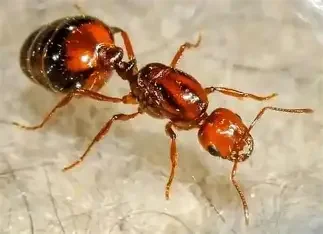
Red Imported Fire Ant
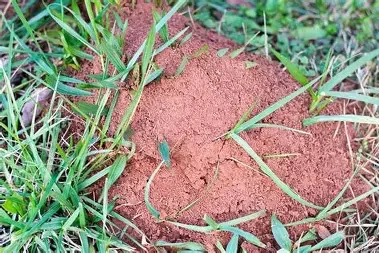
Fire Ant Mound
