
Fire Ant Chronicles — Chapter 3: The Texas Two‑Step Explained
Published May 4, 2026
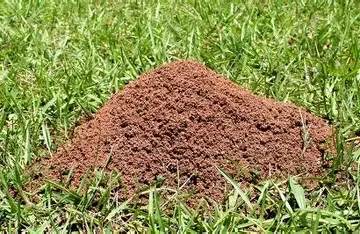
“The Texas Two‑Step: Why It Works, Why It Fails, and How to Do It Right”
Fire ants aren’t just a nuisance in Fort Bend County — they’re a year‑round opponent. And while most homeowners have heard of the Texas Two‑Step, very few actually understand why it works, when it works, and how easily it can fail if you miss even one detail.
This chapter breaks it down in plain English, the way I explain it to customers in their yards every week.
Step 1: Bait the Colony (The Silent Kill)
The first step of the Texas Two‑Step is baiting, and this is where most of the magic happens.
How bait actually works
Fire ant bait isn’t a contact killer. It’s a slow‑acting food source designed to be carried deep into the colony. Worker ants bring it to the queen, and once she’s affected, the entire colony collapses.
Why baiting fails for most homeowners
Here’s the truth nobody tells you:
Bait must stay dry — even morning dew ruins it
Bait must be fresh — old bait is dead bait
Bait must be broadcast — not dumped on the mound
Bait must be applied when ants are actively foraging
If you drop bait directly on a mound, the ants treat it like trash. They literally push it aside.
The perfect baiting conditions
Temperature between 70–90°F
No rain for 24 hours
No irrigation for 12 hours
Light breeze
Late afternoon or early evening
In Fort Bend County, these conditions happen more often than you’d think — but you have to time it right.
Step 2: Treat the Mounds (The Knockout Punch)
Once the bait has been broadcast, you wait 7–10 days. This gives the colony time to ingest the bait and weaken.
Then comes the second step: direct mound treatment.
Why mound treatments alone don’t work
If you only treat the mound:
You kill the workers
The queen survives
The colony relocates
You think you won… until they pop up 10 feet away
This is why so many DIY attempts fail.
What mound treatments actually do
Mound treatments are the cleanup crew. They eliminate the remaining workers and prevent the colony from rebuilding.
Why the Texas Two‑Step Works So Well in Fort Bend County
Fire ants in our area:
Build deep colonies
Move quickly after disturbance
Have multiple queens in many yards
Rebound fast after rain
The Texas Two‑Step is one of the few methods that hits them at both levels:
The queen (bait)
The workers (mound treatment)
When done correctly, it’s incredibly effective.
Why Homeowners Still Struggle With It
Even when people follow the instructions, they often miss one of these:
Using cheap bait that fire ants ignore
Applying bait too close to the mound
Treating mounds too early
Watering the lawn right after baiting
Using granules instead of true bait
Treating during the wrong season
Fire ants are predictable — but only if you understand their behavior.
When to Call a Professional
If you’re dealing with:
Multiple mounds
Repeated reinfestation
Colonies near foundations
Colonies near AC units
Colonies near pets or kids
Colonies after heavy rain
…then the Texas Two‑Step alone may not be enough.
Professionals use:
Faster‑acting baits
Non‑repellent mound treatments
Residual barriers
Seasonal timing strategies
This is how we keep yards fire‑ant‑free for months at a time.
Chapter Summary
The Texas Two‑Step is powerful — but only when done correctly. Most homeowners fail because they treat mounds too early or use bait incorrectly.
When applied with precision, it’s one of the most effective fire ant strategies ever developed.
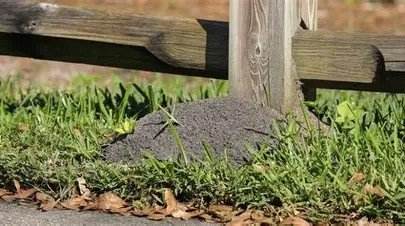
Fire Ant Mound
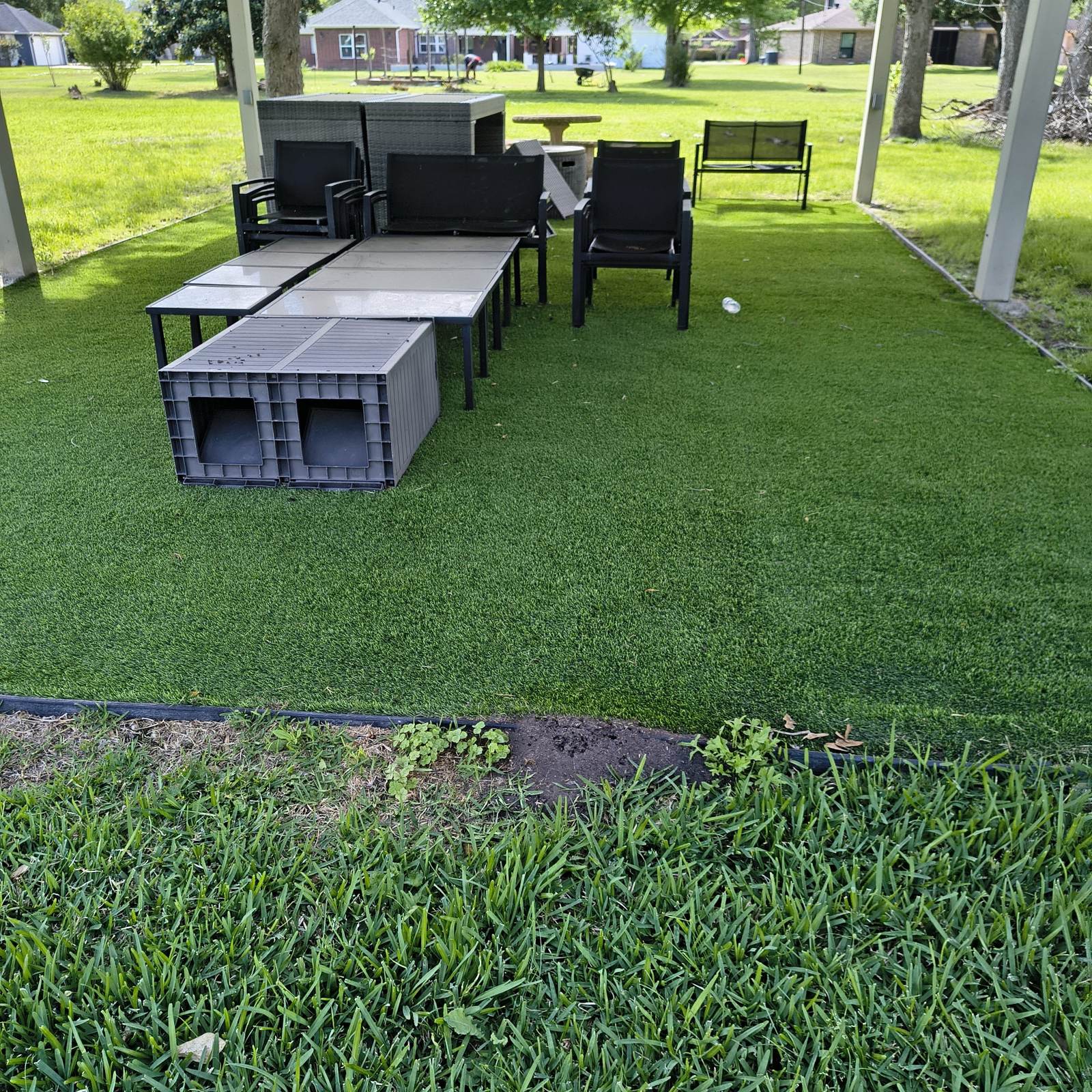
Fire Ant mound by exterior bbq area