
WASPS & MUD DAUBERS IN FORT BEND COUNTY: WHAT HOMEOWNERS NEED TO KNOW THIS SUMMER
Published July 29, 2026
When the Texas heat kicks in, wasps and mud daubers become some of the most active pests around homes in Fort Bend County. Their activity spikes during long stretches of high temperatures, and homeowners in Sugar Land, Missouri City, Richmond, Pearland, Stafford, and Sienna often start noticing nests in places they’ve never seen them before.
As a veteran‑owned pest control company, Texas Shield Pest Control takes a disciplined, safety‑focused approach to managing these stinging insects. Here’s what you need to know about wasps and mud daubers — and how to keep your home protected.
Why Wasps Become More Active in the Heat
Wasps thrive in hot weather. High temperatures accelerate their metabolism, increase their need for food, and encourage rapid nest building. During heat waves, homeowners may notice:
More wasps scouting around eaves and rooflines
Increased activity near porch lights and entryways
Nests appearing seemingly overnight
Wasps hovering around AC lines, hose bibs, and shaded areas
Heat doesn’t just make them active — it makes them aggressive when defending their nests.
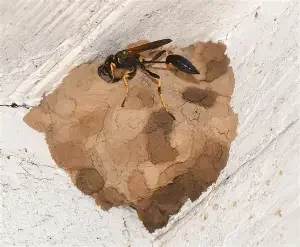
Mud Daubers: The Quiet Builders
Mud daubers are different from paper wasps. They’re solitary, less aggressive, and build long, tube‑shaped nests out of mud. You’ll often find mud dauber nests:
Under porch ceilings
Inside garages
Along brick walls
Near outdoor lights
In attics or sheds
While mud daubers rarely sting, their nests can attract spiders, including black widows, because mud daubers hunt spiders and store them inside their tubes.
Common Nesting Spots Around Fort Bend Homes
Both wasps and mud daubers prefer:
Eaves and soffits
Window frames
Garage door corners
Fence lines
Patio covers
Outdoor play areas
Light fixtures
AC units and utility boxes
If you’re seeing activity in any of these areas, it’s a sign the heat is driving them to expand their territory.
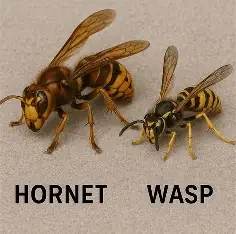
Are Wasps Dangerous?
Yes — especially paper wasps and yellowjackets. Their stings can cause:
Pain and swelling
Allergic reactions
Multiple stings if a nest is disturbed
Children, pets, and elderly family members are at higher risk when nests are close to entry points or outdoor living spaces.
How Texas Shield Pest Control Handles Wasp & Mud Dauber Problems
Our approach is built on discipline, safety, and precision:
Full exterior inspection
Identification of active and inactive nests
Safe removal of wasp nests
Mud dauber tube removal
Treatment of high‑risk areas
Preventive barrier application
Entry point recommendations
We focus on keeping your home quiet, safe, and sting‑free — especially during the hottest months of the year.
How Homeowners Can Reduce Wasp Activity
Here are a few simple steps you can take:
Keep trash bins sealed
Remove standing water
Check outdoor furniture regularly
Keep garage doors closed when possible
Inspect eaves and porch ceilings weekly
Turn off unnecessary outdoor lights at night
These small habits can significantly reduce scouting behavior.
When to Call a Professional
You should reach out if you notice:
A nest larger than a baseball
Wasps entering and exiting a wall void
Multiple nests forming at once
Wasps near doors, windows, or play areas
Mud dauber tubes appearing repeatedly
Any signs of aggressive behavior
Professional removal prevents injuries and stops the cycle before nests multiply.
Serving Fort Bend County With Veteran‑Owned Precision
Texas Shield Pest Control proudly serves:
Sugar Land
Missouri City
Richmond
Pearland
Stafford
Sienna
Shadow Creek Ranch
SW Houston
If you’re seeing wasps or mud daubers around your home, we’re working locally and can stop by for a quick inspection or removal.
Call or Text: 281‑919‑9174 Texas Shield Pest Control — Veteran‑Owned, Local, Trusted