
Fire Ant Chronicles — Chapter 4: Fire Ant Seasonality in Texas When They Explode & Why?
Published May 21, 2026
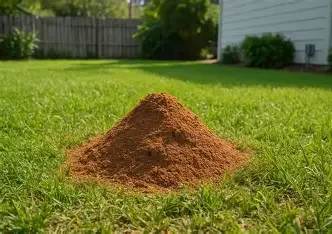
Fire Ant Mound
If you’ve lived in Texas long enough, you already know this truth: Fire ants don’t just “show up.” They erupt. One week your yard looks fine… the next week it looks like a battlefield of fresh mounds.
But these explosions aren’t random. Fire ants follow a very predictable seasonal rhythm — and once you understand it, you can finally get ahead of them instead of reacting after the damage is done.
Let’s break down the Texas fire ant calendar.
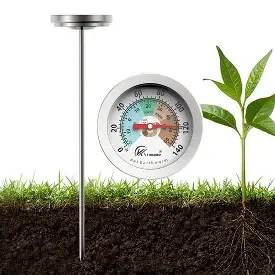
Soil Thermometer
🌱 Early Spring (March–April): The Wake‑Up Phase
As soil temperatures rise above 70°F, fire ants shift from winter survival mode into full‑on activity.
What happens now:
Colonies move closer to the surface
Foraging increases
New mounds appear seemingly overnight
Queens ramp up egg production
This is the first big “pop” of the year — and it’s the best time to start control.
Why it matters: Treating early interrupts the first major reproductive wave.
🔥 Late Spring to Early Summer (May–June): The Population Boom
This is when Texas homeowners start saying, “Where did all these mounds come from?”
What’s happening underground:
Colonies are expanding rapidly
Brood development is at its peak
Workers are aggressively foraging
Mounds multiply after rain
Warm soil + moisture = perfect conditions.
This is the most important treatment window of the entire year.
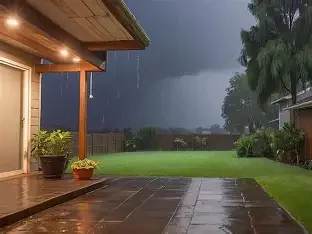
Rain
⛈️ Mid‑Summer (July–August): The Rain‑Triggered Explosion
Here’s the part most people don’t know:
Fire ants don’t build mounds because they’re “active.” They build mounds because they’re drowning.
After heavy rain:
Underground tunnels flood
Colonies evacuate upward
Mounds appear everywhere within 24–48 hours
This is why you see sudden “ant cities” after storms.
Key point: If you only treat when you see mounds, you’re already behind.
🍂 Fall (September–November): The Second Wave
Most people think fire ants slow down in fall. Wrong.
Texas fall weather — warm days, cool nights, steady moisture — is perfect for:
New mound building
Colony expansion
Reproductive flights (yes, the winged ones)
Establishing satellite colonies
This is the second major population spike of the year.
Fall treatments are critical for long‑term suppression.
❄️ Winter (December–February): The Quiet Season… Sort Of
Fire ants don’t die in winter. They just move deeper underground.
What they’re doing:
Staying below the frost line
Conserving energy
Protecting the queen
Waiting for soil temps to rise
You may not see them, but they’re absolutely still there.
Winter is the best time for preventative baiting because colonies are hungry and slow.
📌 The Texas Fire Ant Cycle (Simple Version)
Spring: Wake up
Early Summer: Population boom
After Rain: Mound explosion
Fall: Second wave
Winter: Underground survival
Once you understand this cycle, you understand why one‑time treatments fail — and why a strategic, seasonal plan works.

Texas Yard